By Ifekam Ann
Cultural festivals can do more than provide a day of music and entertainment. They can reconnect people with their history, give younger generations an opportunity to encounter inherited traditions and create a meeting point for residents and members of a community’s diaspora. The 2026 Nduku Ogume Festival was presented as an occasion to bring these purposes together in Ogbe Ogume, Ndokwa West Local Government Area of Delta State.
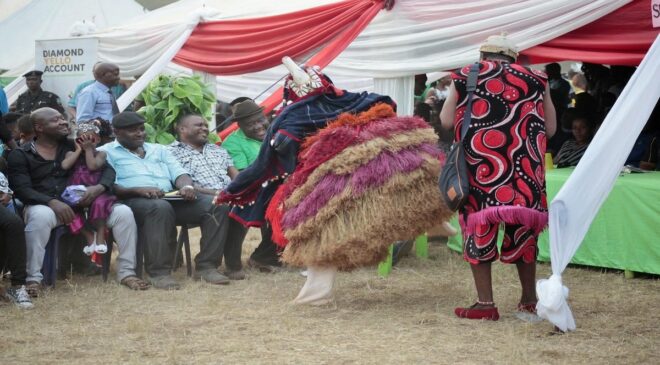
The festival was scheduled for Thursday, November 19, at Olile, Ogbe Ogume, with activities expected to begin at 10 a.m. Public announcements described it as a celebration of Ogume’s heritage, traditions and unity, and invited indigenes, residents and visitors from other parts of Delta State to participate.
The Michael Anoka Foundation was identified as the organisation powering the event. Publicity materials said the programme would combine traditional displays with music, dance, comedy, food and contemporary entertainment. The announced performers included Duncan Mighty, Victor AD, Faze and other entertainers.
The blend of traditional and contemporary activities raises an important question about how cultural festivals can remain meaningful in a changing society. Popular music and entertainment may attract a wider audience, especially younger people, but the preservation of cultural identity requires deliberate attention to the traditions that give a festival its distinct character.
For Ogume and the wider Ukwuani community, the value of a cultural gathering lies partly in the opportunity to pass knowledge from one generation to another. Language, oral history, music, dance, food, traditional institutions and community practices are not preserved simply because people assemble for a celebration. They survive when they are practised, explained, documented and taught.
Festivals can provide a useful setting for this work. Cultural associations, schools, traditional institutions and local historians can use the occasion to explain the meaning of traditional performances, display historical photographs and artefacts, organise storytelling sessions and encourage young people to learn indigenous songs and expressions. These activities can make cultural heritage visible and accessible to people who may have grown up away from their ancestral communities.
There is also an economic dimension. A well-organised festival can create temporary demand for local food vendors, transport operators, artisans, tailors, event workers and small businesses. Visitors may also spend money on accommodation and other services. For such benefits to reach the host community, however, organisers need to make room for local enterprises and ensure that residents are active participants rather than spectators at an event dominated by outside suppliers.
The homecoming aspect is equally important. Many people from Ogume and other Ndokwa communities live and work outside their ancestral towns. A festival can encourage them to return, reconnect with relatives and renew relationships with community institutions. Such contact can support philanthropy, community projects and investment, provided the gathering creates opportunities for meaningful engagement beyond entertainment.
At the same time, the long-term value of a festival should not be measured only by the size of its crowd or the popularity of its performers. Organisers can document attendance, local business participation, cultural presentations, community contributions and feedback from residents. A record of traditional performances and oral accounts could also become part of a local cultural archive.
The Nduku Ogume Festival was announced as a celebration of tradition and unity, supported by contemporary entertainment. That combination can help attract different generations, but the central responsibility remains the preservation of the community’s cultural memory.
Because the festival date has passed and the sources available for this draft are pre-event announcements, this article does not claim specific attendance figures, performances or outcomes. Those details should be added only after confirmation from the organisers and participants. A post-event version should include photographs, comments from traditional and community leaders, the experience of local traders and the views of young people who attended.
Ultimately, the strongest cultural festivals are those that leave something behind: renewed pride, documented traditions, stronger community ties and practical opportunities for local people. For Ogume, the challenge is to ensure that the energy of the festival continues in the everyday work of keeping Ukwuani heritage alive.
