ASABA/Nigeria: The Delta State Government has stepped up flood preparedness across the state by identifying vulnerable communities and designating emergency shelters that could be activated if flooding displaces residents during the peak of the rainy season.
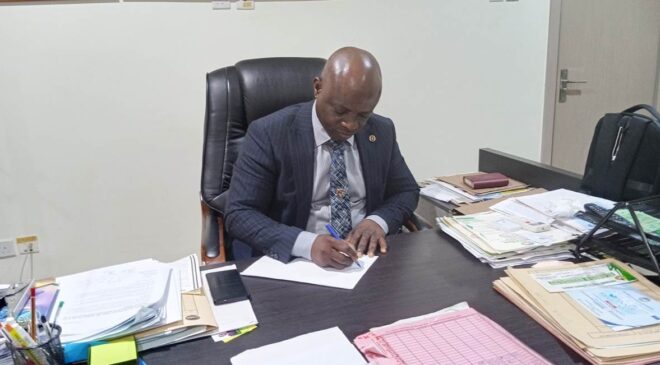
The Commissioner for the Bureau for Special Duties and Co-Chairman of the Delta State Flood Committee, Hon. Terry Etagherure, said the government was intensifying preventive measures instead of waiting for a major flood emergency before responding.
Speaking in Asaba, Etagherure disclosed that strategic locations had already been earmarked as Internally Displaced Persons (IDP) camps, while relief materials had been put in place for communities that could be affected if flooding worsens.
He explained that the state’s Flood Committee holds regular meetings to review preparedness and coordinate emergency response plans with local government councils in flood-prone areas.
According to him, involving local authorities in the planning process would make it easier to respond quickly if communities are threatened by rising water levels.
Etagherure, however, said the flooding currently being experienced in parts of Delta State should not be mistaken for a major flood disaster.
He described the situation as flash flooding, noting that in many locations the water usually recedes within two or three days once rainfall subsides.
Despite that assessment, he said the government was not relaxing its vigilance, warning that heavy rainfall could still trigger more serious flooding in vulnerable communities.
The commissioner identified blocked drainage channels and indiscriminate disposal ofrefuse as some of the major causes of flooding in urban and semi-urban areas of the state.
He said drainage systems that should naturally channel stormwater often become obstructed by waste, causing water to overflow into roads, homes and business premises during heavy rainfall.
To address the problem, the state government has intensified public awareness campaigns, urging residents to stop dumping refuse into gutters, drainage channels and waterways.
He added that officials were also clearing blocked drains and carrying out sensitisation visits to communities to encourage proper environmental sanitation.
Etagherure stressed that flood control requires a collective effort, saying government agencies, local councils and residents all have important roles to play in reducing flood risks.
He said the Bureau for Special Duties was working closely with the Ministry of Environment and other relevant agencies on drainage maintenance, waste management and other environmental issues linked to flooding.
The commissioner also raised concerns over the construction of buildings on natural waterways, warning that such developments increase the risk of flooding by obstructing the free flow of water.
According to him, government has already taken action against some structures identified as blocking waterways, including halting construction work and removing illegal developments where necessary.
He maintained that protecting natural drainage channels remains critical to reducing the impact of heavy rainfall across the state.
On emergency response, Etagherure said relief materials had already been stockpiled, while the government had compiled information on communities considered most vulnerable to flooding.
He said assistance would be distributed based on the level of need if homes, businesses or livelihoods are affected.
The commissioner assured residents that the state government was closely monitoring the situation and would activate its emergency response plan if flooding escalates.
He said such measures could include evacuating residents from severely affected communities, relocating them to designated shelters and providing humanitarian assistance.
Etagherure urged people living in flood-prone areas to remain alert, keep their surroundings clean and report blocked drainage channels or other conditions that could increase the risk of flooding.
He added that early preparation, responsible waste disposal and cooperation between communities and government agencies would play a key role in reducing the impact of flooding across Delta State.
