ASABA/Nigeria: As political activities gradually gather momentum ahead of the 2027 general elections, the Delta State Government has warned against the growing culture of defamatory statements, misinformation and personal attacks dominating the political space, cautioning that such trends pose serious threats to democratic stability and peaceful coexistence.
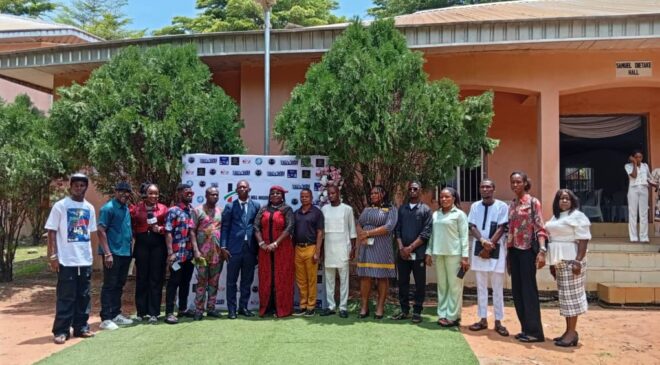
The warning was delivered by the Commissioner for Works (Rural Roads) and Public Information, Charles Aniagwu, who was represented by the Director of New Media, Timothy Agbaragu, during the fourth anniversary celebration of Hill Nigeria Media and a capacity-building training programme for media practitioners held in Asaba.
Aniagwu expressed concern over what he described as the increasing spread of false narratives, reckless accusations and politically motivated attacks among rival actors, warning that unchecked defamatory content could inflame tensions, mislead the public and weaken confidence in the electoral process.
According to him, the political atmosphere in the country is already becoming charged, making it imperative for media practitioners and political stakeholders to act responsibly in the dissemination of information.
He stressed that democracy can only thrive where facts are respected and public discourse is guided by truth rather than sensationalism or deliberate misinformation.
The commissioner called on politicians, their supporters and members of the media to prioritise issue-based campaigns and constructive engagement instead of resorting to character assassination and inflammatory rhetoric.
He further urged journalists to remain committed to professionalism by ensuring that reports are properly verified, balanced and factual before publication.
While commending the organisers of the programme, Aniagwu described media literacy and professional training as essential tools for strengthening responsible journalism, especially during election periods when misinformation spreads rapidly.
Chairman of the occasion, Amb. Mayor Chinedu Enujeko, also praised the organisers for sustaining a platform aimed at encouraging dialogue, professional growth and social cohesion.
Enujeko noted that initiatives focused on media development and youth empowerment remain critical to building a more informed and united society.
He congratulated the organiser of the programme for what he described as dedication and consistency in promoting meaningful engagement within the media and public communication space.
According to him, the initiative has continued to create opportunities for knowledge sharing while positively influencing emerging voices in society.
In separate presentations during the training session, the Deputy Vice Chancellor of University of Delta, Agbor, Professor Patrick Ijeh, alongside a senior lecturer and Sub-Dean in the Department of Journalism and Media Studies, Faculty of Humanities, Federal University Otuoke, Dr. Blessing Umunnah, urged journalists to remain steadfast in defending truth and ethical standards despite external pressures.
The media scholars highlighted the growing importance of fact-checking, conflict-sensitive reporting and combating fake news within Nigeria’s rapidly evolving information environment.
They warned that journalists now operate in a highly volatile digital era where unverified content can spread widely within minutes, making ethical journalism more important than ever.
The training programme, which attracted journalists and media stakeholders from different parts of the country, focused on strengthening professionalism and promoting responsible reportage ahead of the 2027 elections.
In her remarks, the organiser of the event, Mrs. Christy Aboghe, emphasised the central role of the media in shaping public opinion and protecting democratic values.
She stated that as the country moves closer to another election cycle, journalists must embrace higher standards of accuracy, fairness and ethical responsibility in order to preserve public trust.
Some participants described the training as timely and impactful, noting that the sessions exposed them to modern strategies for navigating the challenges of contemporary journalism and digital communication.
They also commended the organisers for creating a platform that encourages collaboration among media professionals while promoting peaceful and credible electoral processes.
The anniversary celebration featured goodwill messages from stakeholders and renewed calls for stronger partnerships among journalists, civil society groups and political actors in safeguarding democratic values ahead of 2027.