LAGOS/Nigeria: The Universal Basic Education Commission (UBEC) has entered into a strategic partnership with the Sultan Foundation for Peace and Development to enlist traditional and religious institutions in efforts to bring more Nigerian children into the formal education system.
The partnership, sealed through a Memorandum of Understanding (MoU), is designed to address barriers preventing children, particularly those in underserved communities, from enrolling in and completing basic education.
UBEC Executive Secretary, Aisha Garba, who was represented by the Deputy Executive Secretary (Technical), Rasaq Akinyemi, said the agreement reflected the Federal Government’s recognition of education as a critical instrument for national development and human capital advancement.
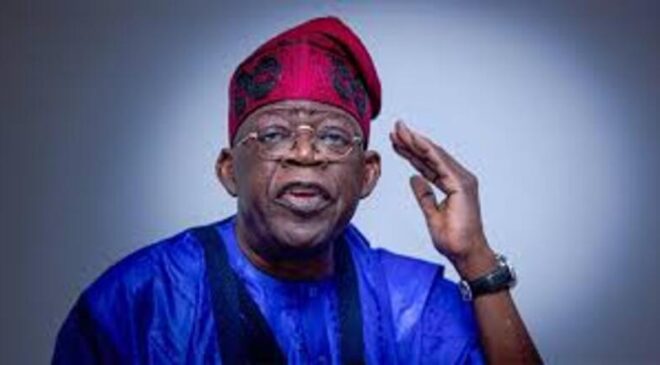
She said the initiative aligned with President Bola Ahmed Tinubu’s Renewed Hope Agenda, which places emphasis on improving educational opportunities, developing relevant skills and investing in the welfare of children and young people.
Garba explained that the collaboration would strengthen the connection between government education policies and community-level action, particularly in areas where poverty, cultural practices and other social difficulties continue to limit access to schooling.
She noted that UBEC’s interventions, implemented in collaboration with the Federal Ministry of Education and State Universal Basic Education Boards (SUBEBs), had supported the construction of more than 4,900 classrooms, renovation of existing facilities and provision of water, sanitation and hygiene infrastructure across the country.
According to her, these interventions had directly benefited more than 2.3 million learners by the end of 2025.
She added that the Commission had also pursued community-based school improvement programmes and professional development initiatives for teachers and school administrators to strengthen the quality of basic education.
However, she stressed that government investment in infrastructure and educational programmes would achieve greater impact if communities took ownership of efforts to ensure that children attended and remained in school.
Under the new agreement, UBEC and the Sultan Foundation will establish coordinating committees at national, state and local government levels to oversee advocacy, mobilisation and implementation of the partnership.
Traditional rulers and religious leaders are expected to play prominent roles in encouraging parents to enrol their children in schools and supporting efforts to improve attendance, retention and completion rates.
The programme will also involve the production and distribution of educational advocacy materials in Hausa, Fulfulde and Yoruba to improve communication with communities and promote wider participation.
Another component is the identification of out-of-school children through household-level mobilisation, followed by efforts to facilitate their admission into accessible schools.
The agreement further provides for community participation in monitoring pupils’ attendance, retention and progress through basic education, alongside accountability arrangements to recognise communities, schools and traditional institutions that record measurable improvements.
Garba identified traditional and religious leaders as important partners because of their influence over community values, family decisions and social behaviour.
She particularly emphasised the need to address obstacles to girls’ education and other social and cultural factors that prevent children from accessing learning opportunities.
The UBEC chief maintained that the effectiveness of the partnership would ultimately be determined by its impact on school enrolment, regular attendance, pupil retention, learning outcomes and the reduction of the number of children excluded from basic education.
The collaboration represents another attempt to strengthen community participation in Nigeria’s basic education system by bringing influential local institutions into the campaign for wider access to schooling.
