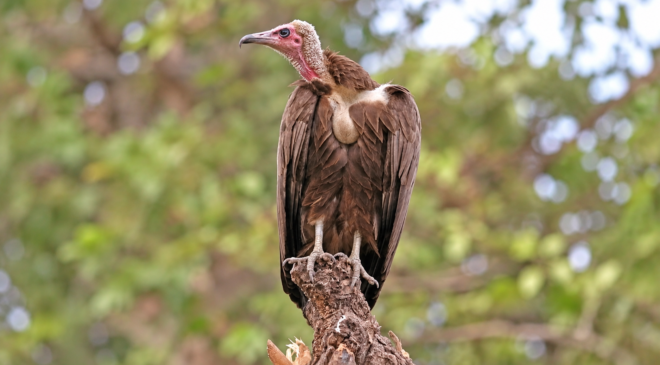
LAGOS/Nigeria: The Nigerian Conservation Foundation (NCF) has warned that Nigeria could lose more of its vulture population unless authorities intensify efforts to tackle illegal killing, poisoning and trafficking of the birds and their body parts.
The foundation issued the warning as part of activities marking the 2026 International Vulture Awareness Day, observed on September 5, with a call for stronger enforcement of wildlife protection measures and greater cooperation among countries in West Africa.
According to the NCF, four of the seven vulture species recorded in Nigeria are classified as Critically Endangered on the International Union for Conservation of Nature (IUCN) Red List. They are the Hooded Vulture, White-backed Vulture, Rüppell’s Vulture and White-headed Vulture.
The foundation identified the Hooded Vulture, Necrosyrtes monachus, as a particular concern, saying its population has declined by an estimated 95 per cent since the early 2000s.
The conservation group also cited research showing the scale of Nigeria’s role in the regional wildlife trade. It said an estimated 73 per cent of vulture carcasses traded across West Africa pass through Nigerian markets.
The figure originates from research on the trade in threatened vultures and other raptors and was subsequently incorporated into the West African vulture threat analysis. The study estimated that Nigeria accounted for 73 per cent of vulture carcasses traded in the region, compared with 21 per cent in Benin.
NCF Director-General, Dr Joseph Onoja, said the situation required coordinated action rather than isolated conservation measures.
He said the continued loss of vultures through poisoning, killing and illegal trade posed a wider environmental concern because the birds perform an important sanitation function by consuming animal carcasses and other organic waste.
“When vultures disappear, the ecological service they provide is also lost,” Onoja said, stressing the need for Nigeria to address the illegal trade while strengthening protection of remaining populations.
The foundation said the problem extends beyond Nigeria’s borders. The West African Vulture Conservation Action Plan (WAVCAP), which covers 16 countries, identifies Nigeria and Benin as important hubs for cross-border trade in vulture parts. The plan was developed to address threats including belief-based use, poisoning, illegal killing and habitat pressures affecting six threatened vulture species in West Africa.
The international conservation framework seeks to restore West African vulture populations to sustainable levels by 2043 through stronger legal protection, coordinated conservation measures and action against the drivers of population decline.
NCF urged the Federal Government to strengthen the enforcement of existing wildlife laws and improve surveillance of markets where illegally obtained wildlife products are sold.
It also called for full implementation of the West African Vulture Conservation Action Plan, establishment and expansion of Vulture Safe Zones, stronger measures against poisoning and protection of important feeding and breeding sites.
The foundation said Nigeria’s response should involve government agencies, law-enforcement bodies, conservation groups, communities and practitioners involved in traditional medicine, as well as neighbouring countries including Benin, Niger and Cameroon.
Vultures are important scavengers that help remove animal carcasses from the environment. Conservation organisations say their decline can have implications for ecosystem health because the birds help dispose of decaying organic matter and can reduce opportunities for pathogens associated with carcasses to spread.
The broader conservation picture is severe. The West African Vulture Conservation Action Plan reports that African vulture populations have fallen by between 80 and 97 per cent over the past five decades, with poisoning, killing for belief-based use and other human-related pressures among the major threats.
NCF said it was working with traditional medicine practitioners to increase awareness of the ecological importance of vultures and encourage alternatives to the use of vulture parts for belief-based practices.
It added that its conservation activities include population surveys, satellite tagging, public education and community engagement aimed at improving knowledge of the birds and identifying threats to their survival.
Onoja appealed to members of the public to avoid buying illegally sourced wildlife products and to report suspected wildlife offences to the appropriate authorities.
The call comes at a time when conservation organisations are also raising concerns about the slow implementation of the West African Vulture Conservation Action Plan. A recent assessment by conservation specialists noted continuing problems with coordination, funding and enforcement across the region.
For Nigeria, the conservation challenge is particularly significant because of the country’s role in the regional trade and the presence of several critically endangered species.
The NCF said reversing the decline would require sustained action across research, population monitoring, law enforcement, public awareness and demand reduction rather than one-off awareness campaigns.