LAGOS/Nigeria: Founder and Executive Director of Green Pastures Kiddies Foundation, Tolulope Shodunke, has called for stronger collaboration among institutions working with children, saying better outcomes will remain difficult to achieve when education, healthcare, family support and other interventions operate in isolation.
Shodunke made the call at the Child Impact Summit organised in Lagos to mark the foundation’s 20th anniversary. The summit was held under the theme, “Closing the Gaps: Strengthening Systems for Better Outcomes.”
Reflecting on two decades of work with children and families, Shodunke said one of the major lessons from the foundation’s experience was that many children do not necessarily fall through the cracks because people are indifferent, but because the institutions and support systems around them often fail to work together.
She illustrated the point with her personal experience as a young student whose father wanted her to study law.
According to her, her father, acting out of love and a desire to secure her future, encouraged her to pursue the profession and expected her to meet the required university admission threshold.
Shodunke said she consequently sat for the Joint Admissions and Matriculation Board (JAMB) examination repeatedly, eventually writing it seven times.
She said the experience made her realise that a child’s aspirations can gradually become overshadowed when families and society define success around a limited number of conventional career paths.
For her, the lesson went beyond parental expectations to the need for systems that recognise that children have different abilities, interests and possible pathways to success.
Shodunke also recalled cases encountered through Green Pastures Kiddies in which children who had recovered from illness and had been medically cleared for discharge remained in hospitals because their families could not settle their bills.
She said such children could become separated from school and their normal lives despite being medically fit to return home.
The situation, she argued, demonstrated how a problem in one part of a child’s life could create consequences elsewhere when the relevant support systems were not connected.
“Doctors cared, parents cared, the hospital cared,” she said, stressing that the challenge was the absence of a coordinated response capable of addressing the child’s wider circumstances.
Shodunke said interventions carried out independently by organisations, professionals and institutions could make a difference, but their impact would be greater if stakeholders worked within stronger and more coordinated systems.
She urged participants at the summit to move beyond discussions and identify practical areas for collaboration that could improve outcomes for children.
“My hope for today is simple: that we listen, that we learn, and that we leave with at least one new partnership, one new commitment, one practical step forward,” she said.
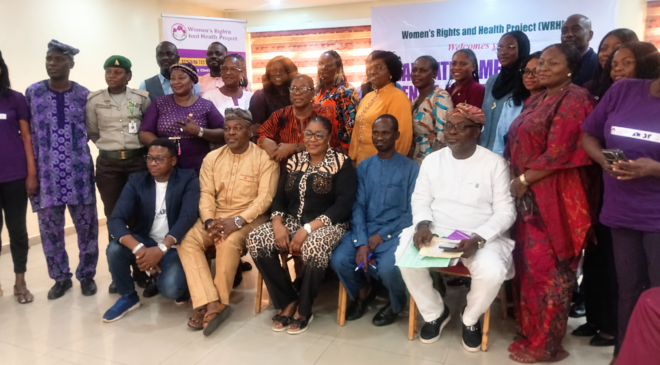
The Child Impact Summit brought together stakeholders from government, education, healthcare, civil society and other sectors to examine challenges affecting children and explore ways of improving the systems responsible for their development. Independent coverage of the summit also reported calls for collaboration among government, development partners, educators, healthcare professionals, civil society and the private sector.
Green Pastures Kiddies, established in 2006, says its work focuses on interconnected areas including education, health, family stability and nutrition-sensitive support for children and families in underserved communities.