ABUJA/Nigeria: Nigeria is positioning its livestock sector for a major economic turnaround, with a coordinated industry push aimed at generating $275 million in exports and creating at least 6,000 jobs through a revamped red meat value chain.
At the heart of the strategy is the Nigeria Red Meat Partnership (NiMeP), a multi-stakeholder initiative designed to shift the country’s livestock industry from subsistence production to a structured, export-driven enterprise anchored on global standards and private sector investment.
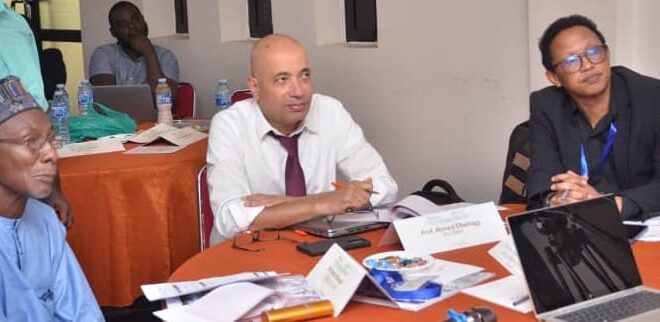
The initiative took centre stage at a three-day forum in Abuja convened by the African Union Inter-African Bureau for Animal Resources (AU-IBAR), with support from the Bill & Melinda Gates Foundation, under the Africa Pastoral Markets Development (APMD) Platform.
NiMeP, driven by the Commodities Development Initiative in collaboration with the Federal Ministry of Livestock Development, is seeking to reposition the red meat sector as a key contributor to Nigeria’s economic diversification agenda.
Partnership Manager Nath Odiba said the focus of the initiative goes beyond increasing production, stressing that the goal is to build a system capable of delivering traceable, quality-assured meat products for international markets.
“Our objective is to meet global standards and compete effectively,” he said, noting that disruptions in global supply chains have created a significant export window for Nigeria if properly harnessed.
Stakeholders at the forum emphasised the need to transition from fragmented pastoral practices to integrated value chains that link producers to markets, finance and veterinary services.
Eric Allela, a Knowledge Management Expert with APMD, cited Ethiopia’s “Luna Model” as a proven example, explaining that structured supply chains and traceability systems have enabled pastoral producers in that country to access export markets and financing.
He noted that formalising transactions within the livestock sector would enable financial institutions to lend based on predictable cash flows rather than traditional collateral requirements, a shift he described as critical for small-scale producers.
The forum also focused on translating policy into measurable outcomes, with AU-IBAR’s Private Sector Engagement Expert, Mohammed Eidie, highlighting efforts to facilitate direct business partnerships among producers, buyers and financiers.
“We are creating platforms that lead to real business deals, not just discussions,” Eidie said, adding that building trust across the value chain remains central to attracting investment.
Participants also underscored the importance of strengthening data systems, enhancing climate resilience and promoting gender inclusion as part of the broader transformation agenda.
As deliberations ended, stakeholders agreed that unlocking the full potential of Nigeria’s livestock sector would require sustained investment, consistent policy support and deliberate integration of smallholder producers into global supply chains.