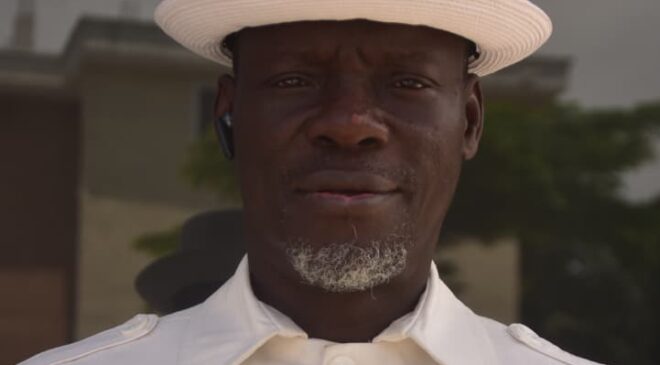
WARRI/Nigeria: An environmental and peace advocate, Chief Mulade Sheriff, PhD, has expressed concern over what he described as the growing environmental risks posed by unchecked dredging activities in parts of Delta State, urging the state government to tighten regulation before lives and critical infrastructure are endangered.
Mulade warned that the increasing number of dredging operations located close to major roads, bridges and waterways could weaken surrounding soil structures if not properly monitored, exposing communities to flooding, erosion and possible infrastructure failure.
In a statement on Tuesday, he called on Governor Sheriff Oborevwori to direct relevant ministries and regulatory agencies to intensify oversight of dredging activities, insisting that economic development should not come at the expense of environmental safety.
According to him, while dredging contributes to economic growth, operators must comply with environmental regulations and established engineering standards to minimise long-term risks.
He noted that roads and bridges across the state serve as critical public assets and should be protected through stricter environmental enforcement and regular technical assessments of dredging sites.
Mulade urged the Ministry of Environment and other regulatory bodies to carry out comprehensive environmental and engineering risk assessments around existing and proposed dredging locations to determine their impact on nearby infrastructure and surrounding communities.
He said periodic geotechnical investigations and environmental impact evaluations would enable authorities to identify vulnerable areas before they deteriorate into major disasters.
“The cost of prevention is always lower than the cost of rebuilding damaged infrastructure. Government must act before lives and property are put at risk,” he said.
The environmental advocate also called for the adoption of practical climate resilience measures, arguing that Delta State should place greater emphasis on prevention as flooding and erosion continue to threaten many communities.
He recommended the establishment of community-based flood volunteer networks to strengthen early warning systems and improve collaboration between government agencies and local residents during periods of heavy rainfall.
Mulade further advocated increased investment in drainage infrastructure across both urban and rural communities, maintaining that sustainable flood management requires functional drainage systems, proper water channels and scientific environmental planning.
He cautioned against neglecting environmental governance, warning that delayed intervention could result in severe flooding, erosion, infrastructure damage and avoidable economic losses.
Mulade appealed to government ministries, local government councils, traditional institutions and environmental agencies to work together in promoting sustainable environmental practices through stricter regulation, public awareness and continuous monitoring of environmentally sensitive areas.
He expressed confidence that with effective regulation, proactive leadership and community participation, Delta State could address emerging environmental challenges while protecting lives, infrastructure and the environment for future generations.