JOHANNESBURG/South Africa: The rapid rise of climate litigation is reshaping global energy policy, with courts increasingly influencing how governments regulate emissions, approve projects and manage natural resources, raising fresh concerns for Africa’s energy future.
New legal interpretations emerging from international judicial bodies are extending beyond national jurisdictions, creating binding expectations that could significantly affect how African countries balance climate obligations with development priorities.
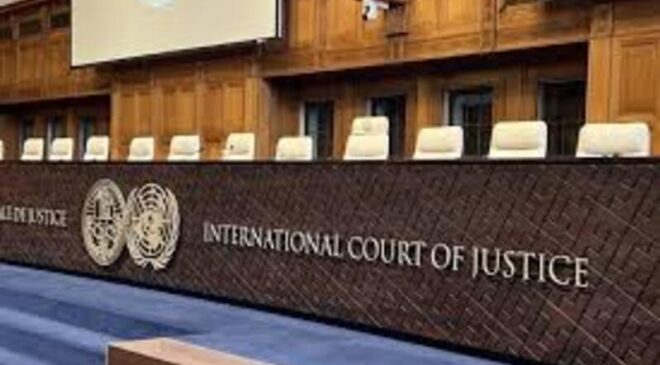
At the centre of this evolving landscape are advisory proceedings at global institutions such as the International Court of Justice (ICJ) and the International Tribunal for the Law of the Sea (ITLOS), which are progressively defining the legal framework for climate action worldwide.
For Africa, the implications are profound. Despite contributing less than four per cent of global emissions, the continent faces increasing pressure to comply with climate standards largely shaped outside its borders, raising concerns about sovereignty, industrialisation and energy access.
Analysts warn that without stronger participation in these legal processes, African nations risk having climate obligations imposed externally, with direct consequences for investment flows, infrastructure development and economic growth.
In response, the African Energy Chamber (AEC) has taken a strategic step by seeking amicus curiae status in a landmark case before the African Court on Human and Peoples’ Rights. The case, initiated by the Pan African Lawyers Union, aims to define climate obligations of African states under the African Charter.
The move reflects a broader shift in climate jurisprudence, building on earlier rulings such as Social and Economic Rights Action Center v. Nigeria and Ivorian League of Human Rights v. Côte d’Ivoire, which established environmental protection as a legal duty while also recognising the importance of safeguarding socio-economic rights.
Globally, advisory opinions from the ICJ and ITLOS are reinforcing the principle that states must exercise due diligence to prevent environmental harm, tightening expectations around regulatory oversight, environmental compliance and long-term climate risk management.
This legal evolution is already influencing investment patterns across Africa’s oil and gas sector. Financial institutions are increasingly cautious about funding high-emission projects, citing growing legal and reputational risks.
For instance, Standard Chartered recently declined to finance the $5 billion East African Crude Oil Pipeline amid mounting environmental concerns, highlighting the shifting risk appetite among global financiers.
As a result, several energy projects across the continent are facing delays, funding constraints and, in some cases, the risk of becoming stranded assets. In Nigeria, marginal field developments and refinery expansions have struggled to attract investment despite proven reserves.
To bridge the financing gap, African-led initiatives such as the Africa Energy Bank are emerging, reflecting efforts to retain control over the continent’s energy future amid tightening global climate regulations.
Legal developments are also reshaping domestic policy environments. In South Africa, the Climate Change Act of 2024 has aligned national legislation with international commitments, while recent court rulings have demonstrated increased judicial scrutiny of energy projects, particularly where environmental assessments are deemed inadequate.
Experts note that the expanding scope of climate litigation is redefining risk for both governments and private sector operators. Projects that fail to meet evolving legal standards may face delays, increased costs or outright cancellation, while governments could be exposed to legal disputes if regulatory changes affect investment viability.
At the same time, African countries are leveraging climate-related legal arguments to strengthen their demands for climate finance, debt relief and technology transfer, reframing climate change as both a legal and economic issue.
Within this context, the African Energy Chamber’s intervention is seen as a critical effort to ensure that the continent’s interests are represented in shaping emerging legal standards.
The Chamber has advocated for a balanced approach that recognises both environmental responsibilities and Africa’s right to development, particularly given that over 600 million people on the continent still lack access to electricity.
AEC Executive Chairman, NJ Ayuk, warned that failure to actively engage in shaping these frameworks could leave Africa at a disadvantage.
“If Africa leaves its energy future to outside courts, we risk seeing policies designed for other continents applied here. Climate litigation is not just a regulatory challenge – it directly affects financing for our oil and gas sector,” he said.
As climate litigation continues to shift the global energy landscape from political negotiation to legal enforcement, stakeholders agree that Africa’s active participation will be crucial in ensuring that climate ambition is balanced with economic growth, energy security and sustainable development.