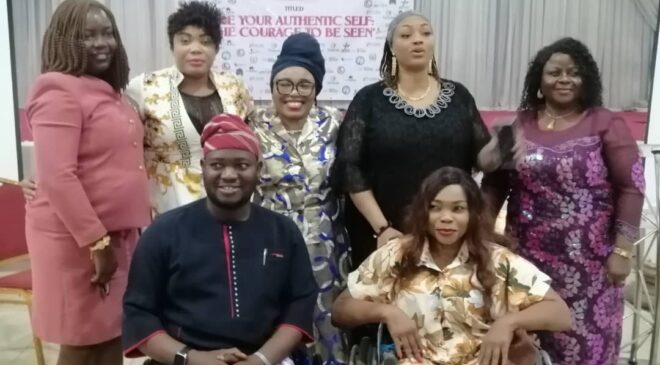
LAGOS/Nigeria: A UK-based social worker and disability rights advocate, Mrs. Grace Alexander, has called for deliberate and sustained efforts to demystify long-standing myths surrounding epilepsy and disability, describing knowledge as the most powerful weapon against stigma and social exclusion.
Alexander, founder of the Star Children Development Initiative, made the call while speaking at a career and empowerment summit aimed at redefining identity, inclusion and self-worth among vulnerable groups.
She lamented that misconceptions about epilepsy and disability, particularly in Nigeria, had for decades fueled discrimination, fear and marginalisation.
“Epilepsy is still treated as a taboo. People believe it is contagious or a spiritual curse, but it is simply a neurological disorder of the brain. Once you understand this, knowledge empowers you to move forward,” she said.
The advocate, who resides in the United Kingdom, said her work was deeply rooted in her Nigerian identity and her personal experience of raising a child with disabilities.
“I am Nigerian first and foremost. I was born in Nigeria. That is why I care. Children living with disabilities are human beings before anything else. They have the capacity to learn, grow and thrive, depending on the environment we create for them,” she said.
She explained that through partnerships, her organisation empowers parents to reject harmful religious and cultural narratives that label disability as a curse and instead embrace inclusion, dignity and opportunity.
According to her, the summit focused on helping participants own their stories, change negative narratives and foster a sense of belonging.
“Our perspectives shape our realities. What you believe about yourself or your child determines how far you go,” she added.
Alexander also drew attention to the often overlooked burden borne by caregivers, particularly mothers, noting that there were little or no policies to support carers of persons living with disabilities.
“If a caregiver is traumatised, how can they adequately care for a child with special needs? Caregiving is emotionally and financially demanding, and governments must begin to support carers intentionally,” she said.
Delivering a keynote address, Prof. Chinwe Nwana highlighted the devastating impact of gender-based violence, describing it as an umbrella term that covers physical, psychological, emotional, economic abuse and harmful traditional practices.
She said although both men and women could experience gender-based violence, women and girls were disproportionately affected because of their subordinate status in society and attempts by men to exert control.
Nwana listed forms of gender-based violence to include physical assault, verbal and emotional abuse, denial of economic opportunities, female genital mutilation, widowhood practices and sexual violence.
According to her, the consequences range from injuries, fractures and death to unwanted pregnancies, sexually transmitted infections, long-term trauma and post-traumatic stress disorder.
She noted that women living with disabilities face even greater risks, including homelessness, poverty, unemployment, health complications and heightened vulnerability to abuse.
Speaking on the summit’s theme, Nwana described the “authentic self” as living in alignment with one’s true values, emotions and identity rather than suppressing them to meet societal expectations.
“Violence erodes the authentic self. Many survivors conceal their pain because of shame, and this delays healing,” she said.
She advised survivors of gender-based violence to rebuild their sense of self through positive affirmations, physical activity, rediscovering hobbies, seeking professional support, joining support groups and setting personal goals.
“Be kind to yourself as you heal. Life is a process of weathering and rebuilding. There is purpose in your journey, and a future waiting for you,” she added.
The summit ended with a call for inclusive policies, increased awareness and collective responsibility in tackling disability inclusion and gender-based violence.
The News Agency of Nigeria (NAN) reports that the summit was held under the theme, “Be Your Authentic Self: The Courage to be Seen.”